

Travel to Curaçao: A Guide to the First-Time Traveler
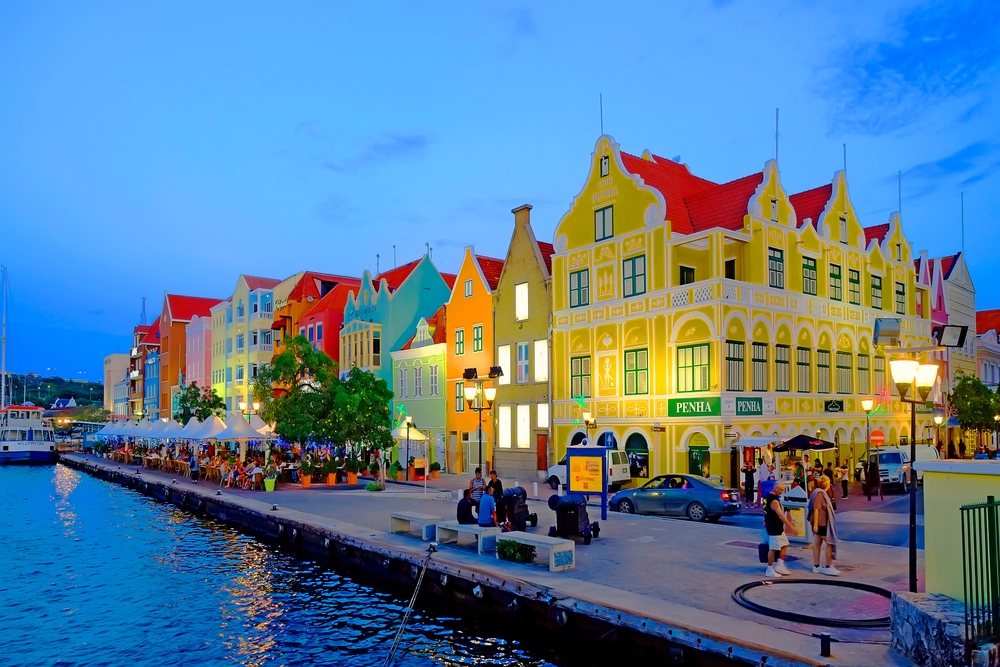
Curaçao doesn’t get talked about as much as some of its Caribbean neighbors, which is a little strange once you actually visit — this is an island that packs in colorful street art, a genuinely walkable historic capital, dramatic hiking, and some of the best diving in the southern Caribbean, all within a package small enough to explore without much stress. If you’re weighing it against Aruba or Bonaire, or just planning a first trip and want the real picture, here’s what actually matters.
Quick Facts Before You Read On
- Best time to visit: Warm and sunny nearly year-round; December through February is the busiest stretch (northern hemisphere winter escapees plus Carnival season)
- How long to stay: Minimum 4 days to hit the highlights; a week or more if you want to add diving certification or slow down; 10–14 days if you’re combining Curaçao with Aruba and Bonaire
- Currency: Caribbean guilder (XCG), introduced March 2025
- Getting there: Hato International Airport, roughly 20 minutes from downtown Willemstad
- Getting around: Rental car strongly recommended; no rideshare apps exist on the island
When Should You Visit Curaçao?
Curaçao sits south of the Caribbean’s main hurricane belt, so while the island can catch rain from a passing storm, a direct hit is genuinely rare, even during the height of hurricane season (June through November). Combined with steady temperatures around the mid-80s°F (30°C) and reliable sunshine nearly year-round, there isn’t a bad season to fly in.
That said, December through February is when things pick up considerably, as travelers from colder climates head south and the island’s Carnival season builds momentum. If you’d rather have the beaches and restaurants to yourself, aim outside that window.
How Many Days Do You Need in Curaçao?
A long weekend is enough to get a real taste of the island — Willemstad, a beach day or two out at Westpunt, and one snorkeling or diving outing. But four days is the realistic minimum if you want to actually relax rather than rush.
A full week gives you room to add a Klein Curaçao day trip, a hike, and slower time in the water — and if getting scuba certified while you’re there is on your list, budget extra days for the coursework involved. Travelers combining all three ABC islands into one trip typically plan for around two weeks total, since Aruba and Bonaire are each just a short flight away.
Getting There and Getting Around
Hato International Airport sits on the north side of Willemstad, roughly a 20-minute drive from the city center, with connections to Aruba, Bonaire, the Netherlands, the US, Colombia, and Suriname.
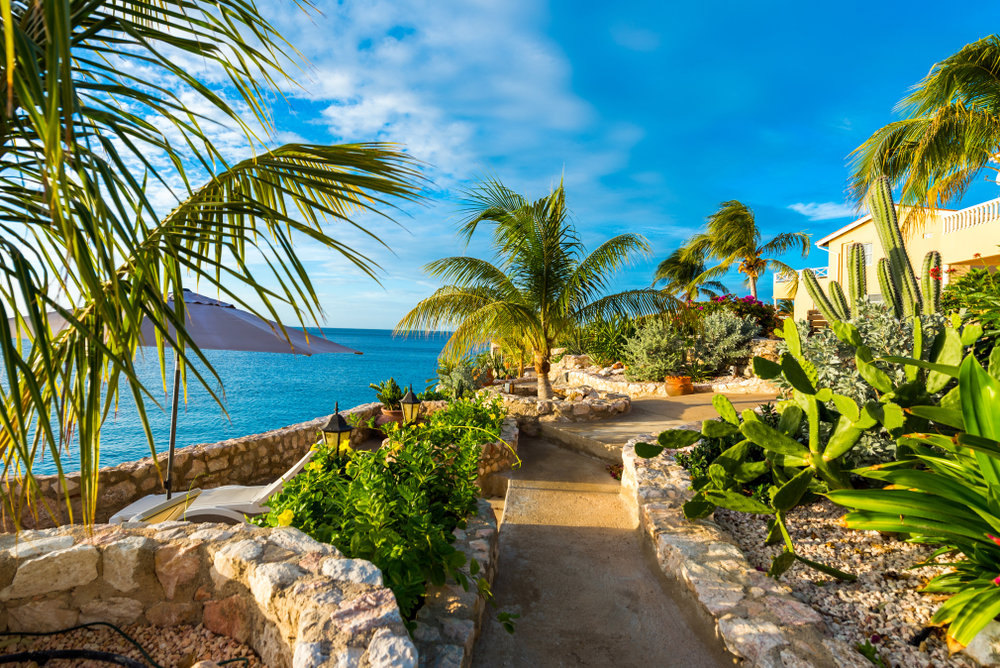
Once you’re on the ground, a rental car is genuinely the best way to see the island — roads are paved and well maintained, parking downtown is manageable, and having your own wheels means you’re not stuck waiting on the limited bus system that connects the airport, Willemstad, and parts of Westpunt (service tends to run slowly). There are no rideshare apps on Curaçao, and taxis, while reliable, are expensive and priced by flat fare rather than a meter — always confirm the price before you get in. Within the city itself, the central neighborhoods — Punda, Otrobanda, Scharloo, and Pietermaai — are easy to explore entirely on foot.
Entry Requirements You Shouldn’t Skip
Every visitor to Curaçao needs to complete the Curaçao Digital Immigration Card online, within seven days of travel — download or save confirmation to your phone before you fly, since you’ll need it on arrival. Beyond that, a valid passport is required, and most Western nationalities, including US and UK citizens, don’t need a separate visa for short tourist stays — though it’s worth confirming your specific nationality’s rules before booking.
Currency and What Things Actually Cost
Here’s something worth double-checking if you’ve read older articles about Curaçao: as of March 2025, the island’s currency changed. The old Netherlands Antillean guilder has been fully phased out and replaced by the Caribbean guilder (XCG) — a different currency from what’s used in Aruba or Bonaire, despite how close together the three islands sit. Cards are accepted almost everywhere except the most rural spots, but it’s smart to carry some cash as backup.
To help with budgeting, here’s a rough sense of what things run:
- Night at a downtown Willemstad hotel: roughly US$150–250
- Paddleboard rental at Grote Knip beach: around US$20
- Iced latte from a local café: from about US$4
- A bowl of karni stoba (traditional beef stew) at a local market: around US$13
- A bottle of Blue Curaçao liqueur from the source distillery: roughly US$17–30
- Entrance to Shete Boka National Park: about US$15
- A boat ticket to Klein Curaçao: around US$140
Where to Base Yourself: Willemstad’s Neighborhoods
Willemstad isn’t one neighborhood — it’s four distinct ones, split across the harbor and connected by the swaying pontoon Queen Emma Bridge. Punda and Otrobanda hold the postcard rows of pastel Dutch colonial buildings you’ve probably already seen photos of. Scharloo and Pietermaai round out the historic core with their own restored architecture and a growing restaurant and boutique-hotel scene. All four are walkable, which makes staying centrally a genuinely practical choice, not just a scenic one.
Top Things to Do in Curaçao
Wander Willemstad’s Street Art in Otrobanda
Beyond the pastel facades, Otrobanda has become something of an open-air gallery, with large-scale murals covering historic walls throughout the neighborhood. It’s a genuinely good way to spend a couple of hours, and guided walking tours (through local operators focused on the island’s art and culture scene) will fill in the context and stories behind individual pieces.
Learn the Island’s History at Museum Kura Hulanda
Curaçao played a significant role as a transfer point in the transatlantic slave trade, and the trafficking of enslaved people was the island’s primary economic driver until abolition. The Kura Hulanda Museum in Otrobanda is one of the only museums of its kind in the region, and it’s a heavy but genuinely important stop for understanding how that history shaped both Curaçao and the wider Caribbean.
Snorkel and Beach-Hop Through Westpunt
The island’s most dramatic beaches sit along the northwestern coast, framed by limestone cliffs and startlingly blue water. Grote Knip is the family-friendly, wide-open option; its smaller neighbor Kleine Knip is better for snorkeling right off the sand. Playa Jeremi and Playa Lagún are quieter, more scenic stops, while Cas Abao and Porto Marí further south come with fuller beach-club amenities if you want chairs, food, and drinks on hand.
Dive Curaçao’s Reefs and Wrecks
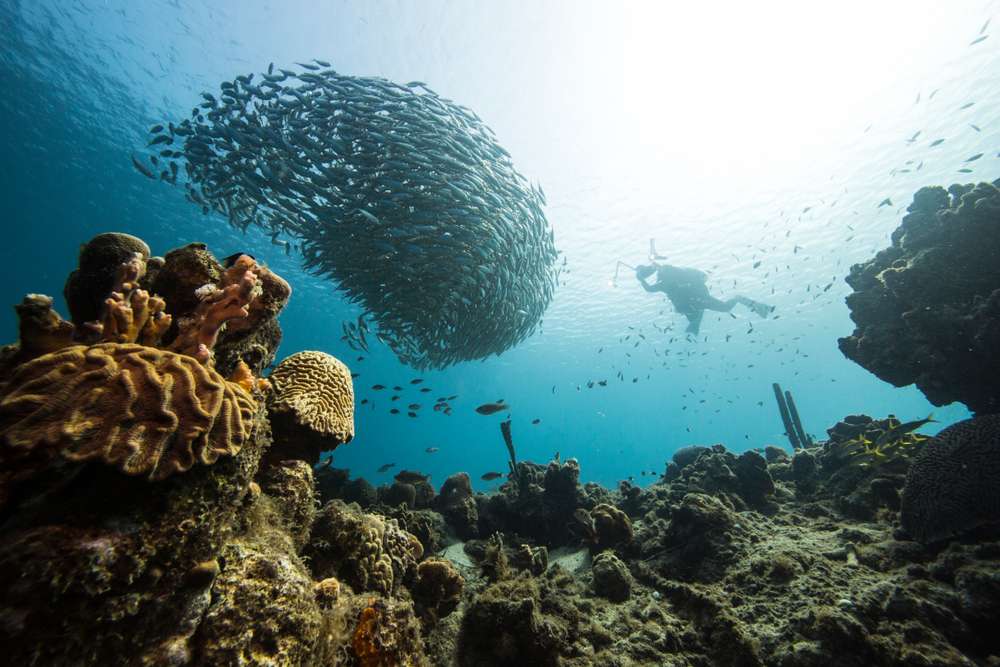
Curaçao’s west coast is loaded with both shore- and boat-accessible dive and snorkel sites. Look for angelfish in an underwater cave at the Blue Room, drift above the scattered remains of a wreck-turned-reef at Shipwreck Point, or explore the coral and marine life around Caracasbaai. Snorkelers aren’t left out either — the coral-covered cliff walls at Kleine Knip and Playa Lagún, and the mangroves near Rif Sint Mari, are all accessible without a tank.
Hear the Blowholes at Shete Boka National Park
On the island’s rougher east coast, Shete Boka National Park is built around a series of coral-stone inlets where the ocean’s currents get forced into genuinely thunderous blowholes. Trails connect the different inlets across the rocky terrain, and the park doubles as a protected nesting site for several sea turtle species.
Take a Day Trip to Klein Curaçao
This uninhabited islet off the southeastern coast has become one of the island’s signature excursions — pale, powder-fine beaches, a solitary lighthouse, and good snorkeling well away from the mainland crowds. Boats typically depart early in the morning for the day trip.
Hike Christoffel National Park
In the island’s hillier north, Christoffel National Park offers genuine hiking, including a challenging but rewarding sunrise route up Mount Christoffel itself, plus a decent chance of spotting native wildlife along the trails.
Where to Eat, Drink, and Wind Down
Curaçao’s food scene has quietly become one of its strongest draws — you can spend a day hiking Mount Christoffel or diving Director’s Bay and still end the evening at a genuinely ambitious restaurant. Karni stoba (a slow-cooked beef stew) is the local comfort-food staple, especially good from stalls at Plasa Bieu, Willemstad’s old market hall. For something sweeter, the Landhuis Chobolobo distillery is the original source of Blue Curaçao liqueur and worth a stop for a tasting. In the evening, rooftop bars around Pietermaai are a popular way to catch the sunset before dinner.
Practical Tips for First-Timers
A few small things make a real difference once you’re there. The sun is far more intense than the balmy trade winds might suggest, given how close the ABC islands sit to the equator — reef-safe sunscreen is worth prioritizing, both for your skin and for the reefs you’ll likely be snorkeling. Tipping culture broadly mirrors the Netherlands: it’s optional but appreciated, generally landing around 10–15% at restaurants (check your bill first, since a service charge is sometimes already included), and roughly 10% of the cost for dive instructors or tour guides.
Is Curaçao Safe?
Official travel advisories from the US, UK, and Canada all describe Curaçao in routine, “exercise normal precautions” language — in line with how they treat most stable Caribbean destinations. Tourist areas like Willemstad, Jan Thiel, and the main resort zones are generally considered well-secured. The specific, repeated advice worth actually following: watch for petty theft and pickpocketing in crowded tourist spots, avoid isolated beaches or streets after dark, and don’t leave valuables visible in a parked car. Ordinary Caribbean-trip precautions, not red flags.
Curaçao vs. Aruba vs. Bonaire: Which ABC Island Fits You?
This comparison comes up constantly, and most people who’ve visited all three describe a similar pattern. Aruba tends to win for classic beach-resort ease — polished hotels, the most direct flights from North America, and a more Americanized, turnkey feel, at the cost of more crowds and development. Bonaire is the quietest and most nature-focused of the three, beloved by divers for reefs you can walk into straight from shore, though its own beaches are generally considered its weaker feature, and the island is small enough that a week there is plenty for most visitors.
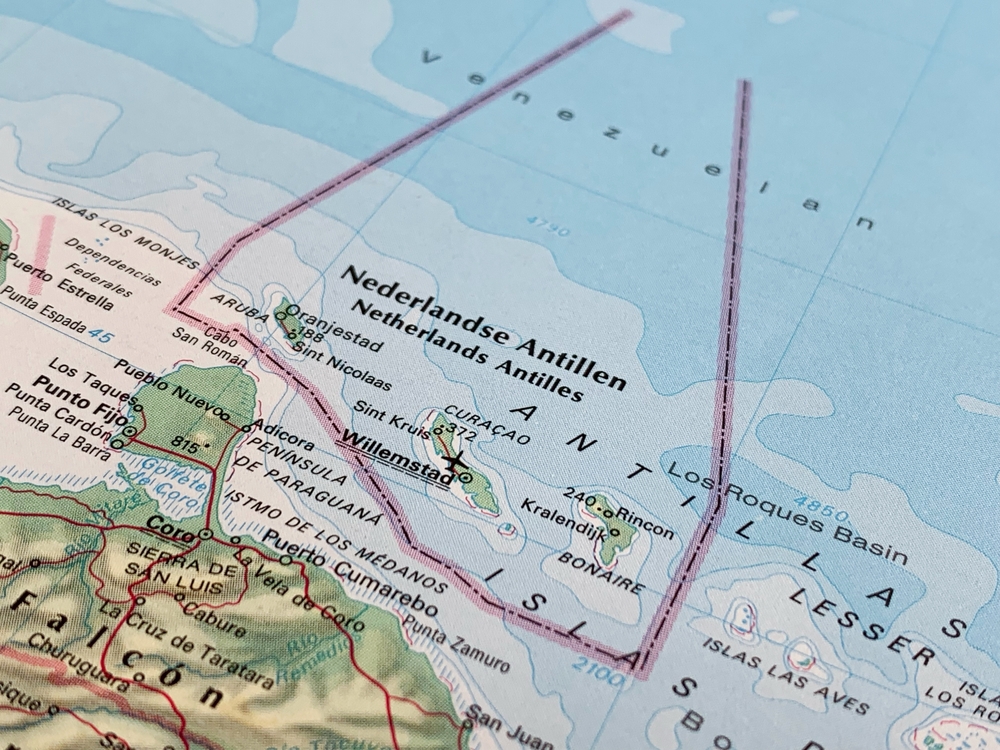
Curaçao is frequently described as the most well-rounded pick — a genuine city to explore in Willemstad, a wider range of beaches than Bonaire offers, diving that’s excellent (if involving somewhat longer swims out to the reef than Bonaire’s shore-entry sites), and a deeper, more visible layer of history and culture than Aruba typically offers. It’s also often cited as better value for money than Aruba. If you want one island that mixes city, beach, culture, and water sports rather than specializing hard in one lane, Curaçao is usually the one first-timers land on.
Getting Between the ABC Islands
If Curaçao is one stop on a bigger ABC Islands trip, it’s worth knowing upfront: there’s no scheduled ferry or water taxi service connecting Aruba, Bonaire, and Curaçao to each other. The only regular, bookable option is a short regional flight — roughly 20–30 minutes to Bonaire, 30–40 minutes to Aruba — each involving a full immigration process on arrival, since every island controls its own border. Occasional private charter or sailing trips exist for travelers who want to do it by sea, but they’re not a scheduled public service.
Worth separating this from a different kind of “water taxi” that does exist locally: short, regular boat services to nearby uninhabited islets, like the one connecting Kralendijk in Bonaire to Klein Bonaire, or the daily excursion boats from Curaçao out to Klein Curaçao. Those are quick hops to small satellite islands just offshore — not transport between the three main islands, and not a substitute for flying if you’re island-hopping the full ABC trio.


